The Cloud Alternative to FFmpeg Video Watermarking
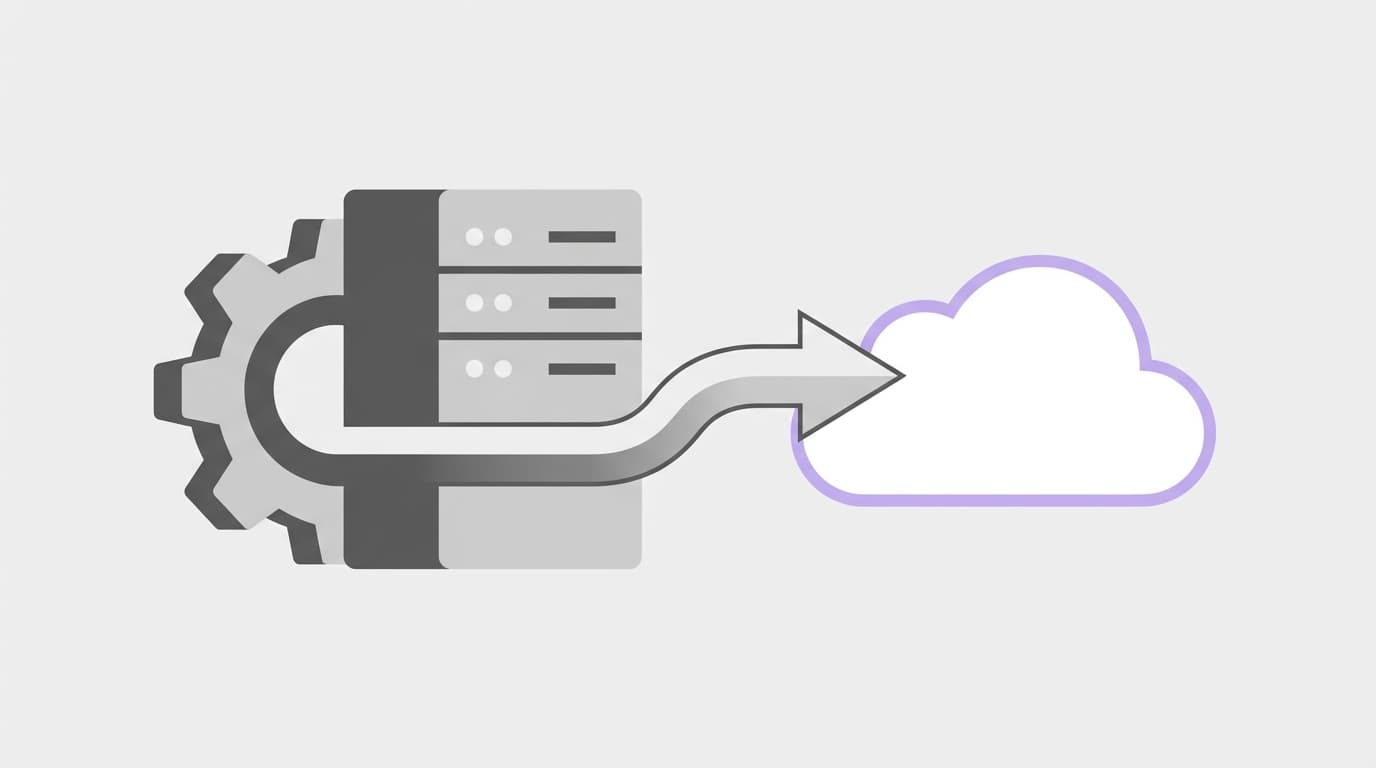
Stop managing heavy GPU instances and queuing infrastructure. Send us a video URL and a watermark, and we webhook you the rendered result.
Why people switch
Video processing is an infrastructure nightmare
Watermarking videos with FFmpeg means you are no longer building a web app; you are building a data center. You have to handle blocking processes, manage Celery/Redis queues, pay for idling GPU instances, and parse archaic FFmpeg filtergraph syntax. It distracts you entirely from your core product.
Head to head
FFmpeg vs API Watermark
Initial Setup
Requires compiling FFmpeg with specific codecs (H.264/AAC), setting up worker queues, and configuring cloud storage mounts.
Zero setup. HTTP POST a JSON file containing the video URL and wait for the webhook.
Compute Costs
You pay for the server 24/7, even when users aren't uploading videos.
Pay purely per-video (or per-GB). If no one uploads today, you pay $0.
Syntax Complexity
Executing complex overlay commands like 'overlay=W-w-10:H-h-10' requires deep domain knowledge of video matricies.
Use plain English. `position: 'bottom-right'`.
Developer experience
Same task, less code
bash — copy either side and run it.
# The FFmpeg way (Filtergraph madness)
ffmpeg -i input.mp4 -i logo.png \
  -filter_complex "overlay=main_w-overlay_w-10:main_h-overlay_h-10" \
-codec:a copy output.mp4// The API Watermark way
await wm.video({
videoUrl: "input.mp4",
watermark: { image: "logo.png", position: "bottom-right" }
});Migration FAQ
Switching from FFmpeg
How do you handle long video processing times?
+
Can I watermark large 4K video files?
+
Replace FFmpeg in under an hour
Drop-in REST endpoint. Migration usually takes one afternoon.